Laser Treatments

Vascular Laser Treatments in Flowood, MS

Targeted vascular laser treatment for broken capillaries, facial veins, cherry angiomas, and spider veins — restoring a clearer, more even complexion on the face and body.

The science

How vascular laser treatment works

Vascular laser treatments deliver precise wavelengths of light energy directly into the targeted vessel. The light is absorbed by the hemoglobin in the blood, generating heat that causes the vessel wall to collapse.

The body then naturally absorbs and eliminates the treated vessel over the following weeks, leaving the surrounding skin undamaged.

Vascular laser treatments at The Atelier are performed by licensed providers who customize wavelength and energy settings to your skin type and the vessels being treated.

Vascular laser treatments address selected visible vessels and vascular lesions. IPL photofacial may be appropriate for certain types of diffuse redness or pigmentation concerns, while vascular laser treatment targets individual visible vessels directly. The right option depends on the location and characteristics of the vessels, your skin type, and a clinical assessment at your consultation. Learn more about IPL photofacial →

Conditions treated

What we treat

These are the concerns we treat most often. Every treatment starts with a consultation — your provider confirms what you're seeing and whether vascular laser treatment is the right approach for it.

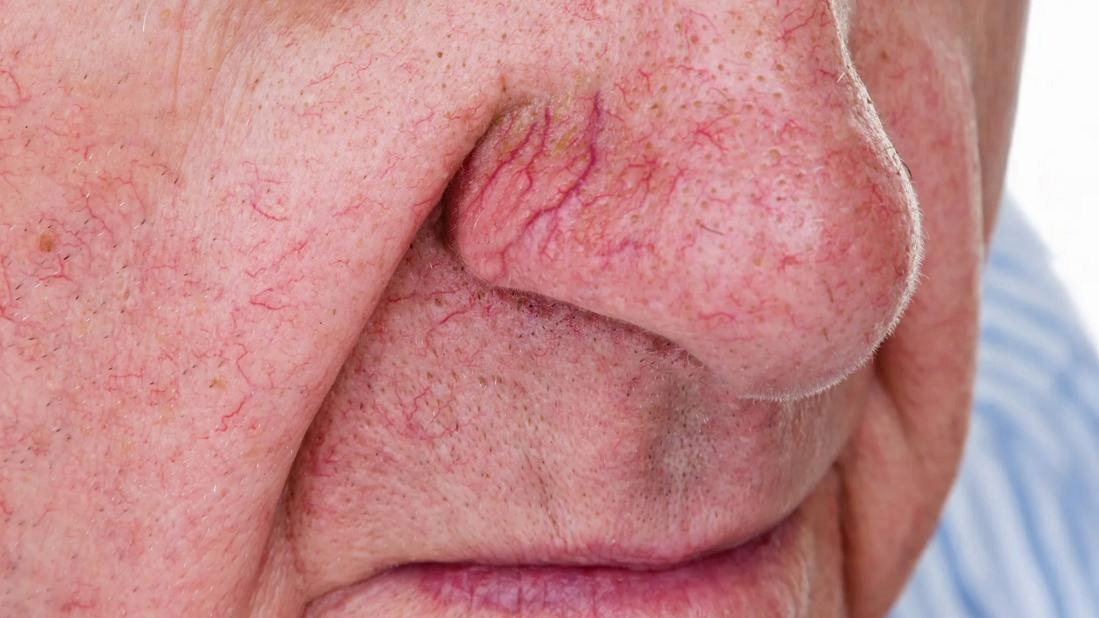
Close-up of visible broken capillaries and fine facial veins around the nose

Broken capillaries & facial veins

What it looks like

Fine red or purple lines — often called broken capillaries or facial telangiectasias — tracing the nose, cheeks, or chin. They tend to become more visible over time and can flare with heat, alcohol, or exertion.

Why it develops

Tiny vessels just beneath the surface dilate and stay dilated. Genetics, cumulative sun exposure, aging, and skin trauma — including aggressive scrubbing — all contribute, and rosacea can make them more prominent.

How treatment helps

The laser targets the visible vessel, which may gradually fade as the body clears the treated tissue. Results can be long-lasting, although some vessels may persist or become visible again, and new vessels can develop over time.

What to know

Results depend on vessel size, depth, and your skin type. Larger or deeper vessels may need more than one session, and new capillaries can develop over time, so maintenance treatments are common.

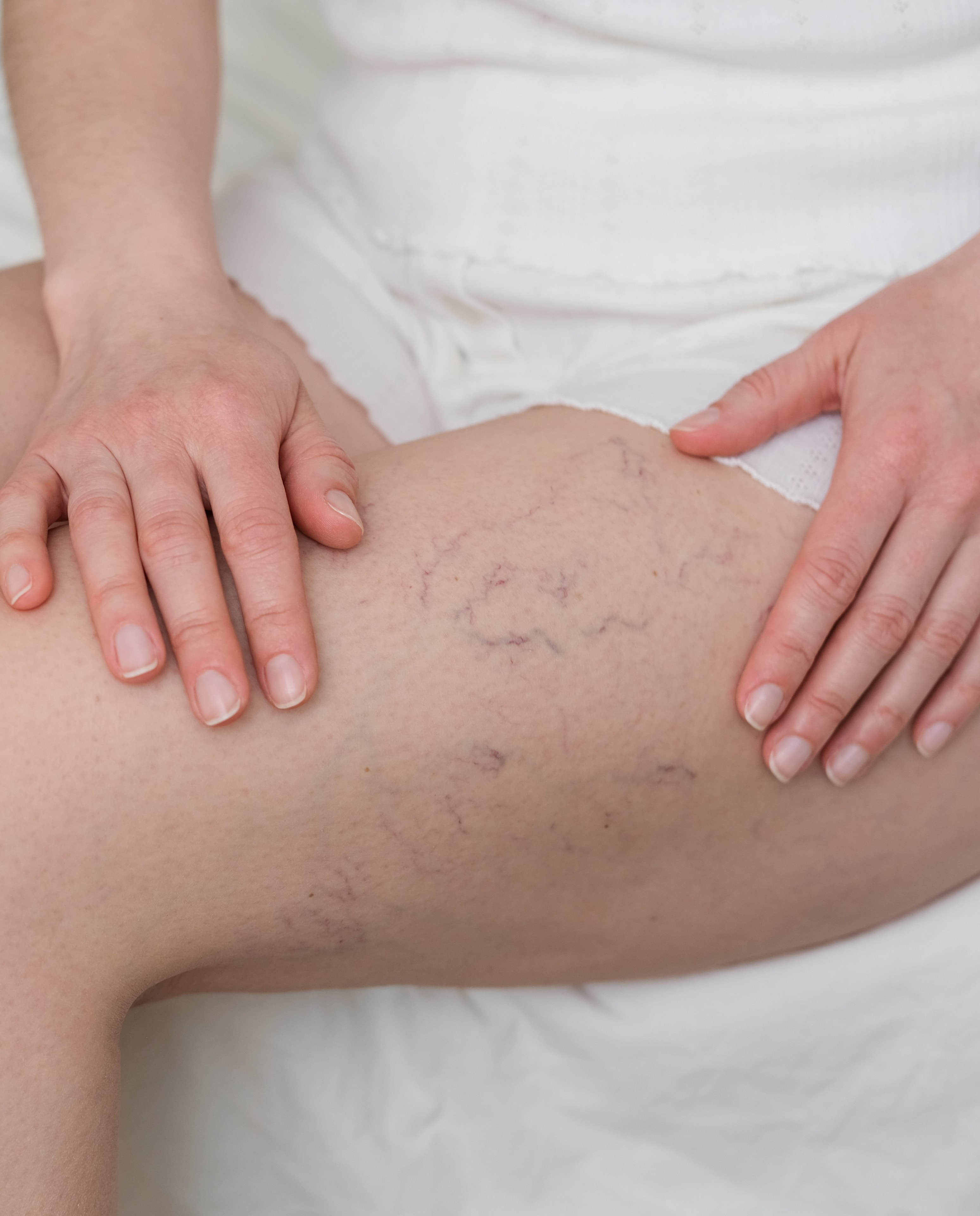
Close-up of spider veins on the skin of a leg

Spider veins — legs & body

What it looks like

Web-like clusters of red, blue, or purple veins just beneath the skin, most often on the thighs, calves, and ankles.

Why it develops

Genetics, prolonged standing, pregnancy, and hormonal shifts all play a role in their development.

How treatment helps

For superficial spider veins, the laser collapses the treated vessels so your body gradually absorbs them — no injections involved.

What to know

Appropriate for superficial spider veins only. Larger, bulging, or painful varicose veins can point to underlying venous insufficiency and should be evaluated by a vein specialist before any cosmetic treatment.

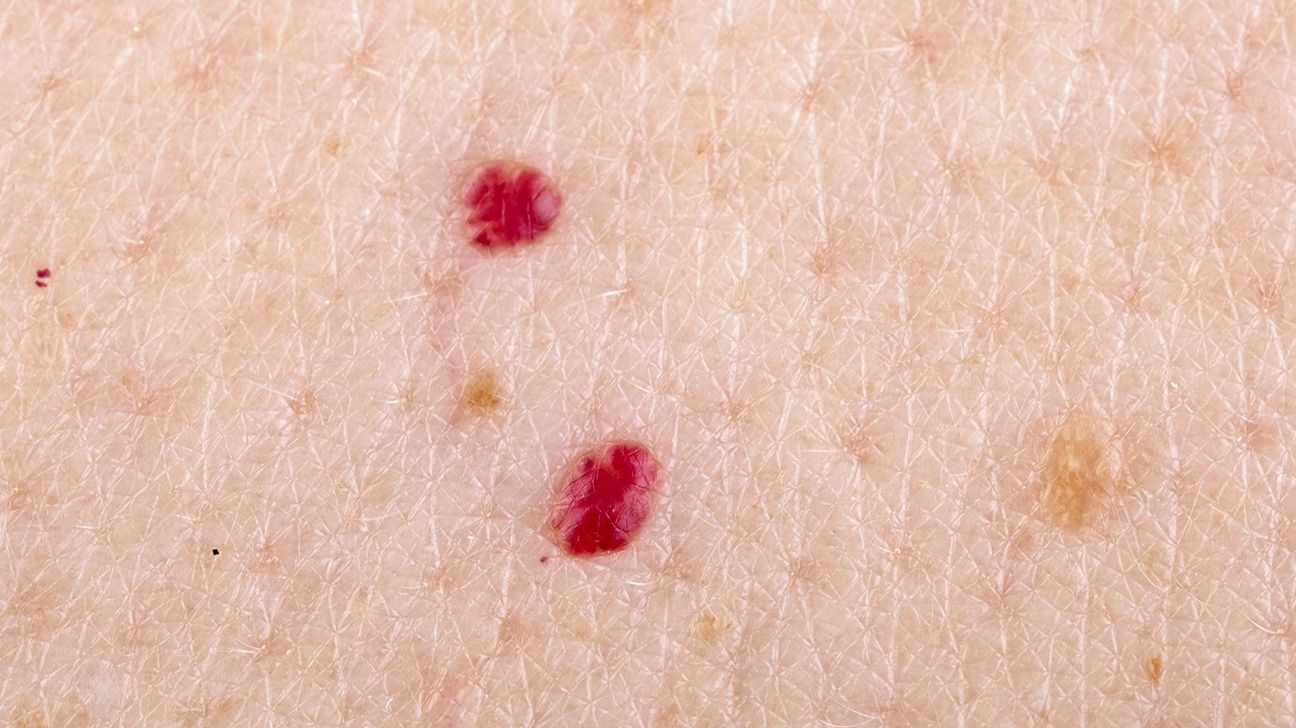
Close-up of small bright-red cherry angioma spots on skin

Cherry angiomas

What it looks like

Small, bright-red spots — smooth, round, sometimes slightly raised — that commonly multiply on the torso, arms, and face with age.

Why it develops

They are benign growths of small blood vessels. Genetics and age are the biggest factors, and most adults develop at least a few.

How treatment helps

The laser collapses the vessels feeding the spot. The angioma typically darkens at first, then fades over the following weeks as the body absorbs it.

What to know

Larger or raised angiomas may need more than one treatment, and new ones can develop with age. Any spot that changes, bleeds, or behaves unusually should be evaluated by a dermatologist first.

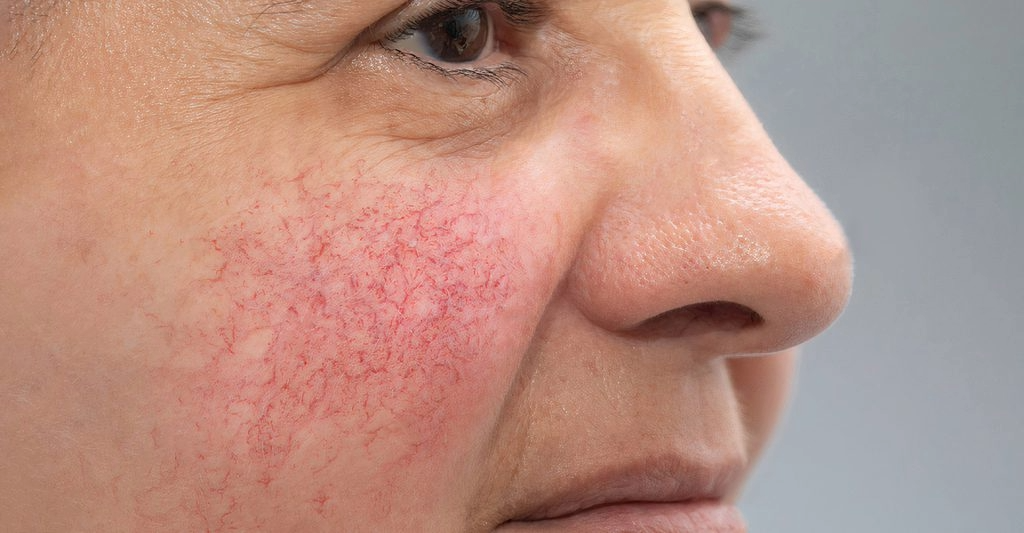
Close-up of rosacea-related redness and visible vessels on a woman's cheek

Rosacea-associated visible vessels

What it looks like

Diffuse redness across the cheeks and nose, often with fine visible vessels that flare with heat, alcohol, or stress.

Why it develops

Rosacea is a chronic inflammatory condition. Repeated flares can leave vessels permanently dilated — which is exactly what laser treatment addresses.

How treatment helps

The vascular laser targets the visible vessels and the redness they cause — often the most visible component of rosacea — for a calmer, more even complexion.

What to know

Laser treatment does not cure rosacea. The underlying condition is chronic and is best managed alongside a dermatologist, and treated vessels can recur as flares continue.

Not sure what you're seeing? Bring it to a consultation — your provider will assess whether vascular laser treatment is appropriate for it. Explore persistent facial redness →

Pricing

Treatment options & pricing

Straightforward pricing based on the size and number of vessels we're treating. Your consultation determines which option fits best.

Vascular laser treatment options and pricing at The Atelier in Flowood, MS
TreatmentPrice
Consultation + Same-Day Treatment30 minPrice varies
Small Spot Treatment15 min$75
Targeted Vascular Treatment30 min$250
Extended Vascular Treatment45 min$350

Eligible small-area treatments start at $75 and can sometimes be completed during an existing appointment — subject to provider assessment, scheduling, and treatment compatibility. Same-day treatment is never guaranteed.

Your provider will review the recommended treatment and exact pricing with you before anything proceeds.

Your appointment

What to expect at your appointment

01

Consultation and mapping

Your provider assesses the vessels to be treated, photographs the area, and discusses your goals and expectations.

02

Skin preparation

The treatment area is cleansed and, if needed, a topical numbing cream is applied for comfort.

03

Laser treatment

The laser handpiece is passed over the targeted vessels. You may feel a mild snapping or warming sensation with each pulse.

04

Post-treatment care

A soothing gel or compress is applied. Your provider reviews aftercare instructions and schedules your follow-up if needed.

Candidacy

Who is a good candidate?

Vascular laser treatment is appropriate for patients with spider veins, broken capillaries, angiomas, or other selected superficial vessels on the face or body. Vascular laser treatment may be appropriate for a range of skin tones, including medium and deeper complexions. Your provider will evaluate your skin type, the vessels being treated, and your medical history to determine whether treatment is appropriate. Settings are individualized, and a test spot may be recommended.

You may not be a candidate if you are pregnant; have a blood-clotting disorder or take blood thinners; have an active skin infection, cold sore, or open wound in the treatment area; take photosensitizing medications; have used isotretinoin recently; have had recent sun exposure or tanning in the treatment area; or have a history of keloid scarring. A consultation will confirm suitability and establish a treatment plan.

Safety

Safety and side effects

Vascular laser treatment is generally well-tolerated. Common side effects include temporary redness, mild swelling, and bruising in the treated area, which typically resolve within a few days. Less commonly, treated skin may blister or crust briefly, or temporary darkening or lightening of the skin may occur. Cold sores can occasionally be reactivated when vessels near the mouth or nose are treated — tell your provider if you have a history of cold sores.

Sun protection is essential before and after treatment to minimize the risk of pigmentation changes.

Before your appointment

Before your appointment

Avoid sun exposure

Avoid sun exposure, tanning beds, and self-tanner for at least 2–4 weeks before treatment. Tanned skin increases the risk of side effects and reduces treatment efficacy.

Review medications & supplements

Please inform your provider of all medications and supplements you take, including aspirin, ibuprofen, blood thinners, fish oil, and vitamin E. Some may increase the likelihood of bruising or affect treatment planning. Your provider will review any necessary precautions before treatment. Do not discontinue prescribed medications without guidance from the healthcare professional who manages them.

Arrive with clean skin

Come with clean skin, free of makeup, lotion, and skincare products in the treatment area.

After your appointment

After your treatment

Expect temporary darkening

Treated vessels may appear darker or more prominent for a few days before fading. This is a normal response as the body begins to absorb the collapsed vessel.

Apply SPF daily

Sun protection is essential after vascular laser treatment. Apply SPF 30+ every morning and avoid direct sun exposure for at least 2 weeks.

Avoid heat

Skip hot showers, saunas, and strenuous exercise for 24–48 hours after treatment to minimize inflammation and bruising.

Be patient with results

Some treated vessels may darken temporarily before fading, while others improve more gradually over several weeks. The timeline varies depending on the type, size, and depth of the vessel, and additional treatments may be needed.

Common questions

Frequently asked questions

Can laser treatment remove broken capillaries on my face?+

Yes — vascular laser treatment targets broken capillaries and other visible facial veins, most often on the nose, cheeks, and chin. The treated vessel may gradually fade as your body clears the treated tissue, and results can be long-lasting — although some vessels may persist or become visible again, and new vessels can develop over time. How many sessions you need depends on the size, depth, and number of vessels being treated.

Can cherry angiomas (small red spots) be removed with laser?+

Cherry angiomas often respond well to vascular laser treatment — the laser collapses the small vessels feeding the spot, and it typically darkens briefly before fading over the following weeks. Larger or raised angiomas may need more than one session, and new angiomas can develop with age. Any spot that changes, bleeds, or behaves unusually should be checked by a dermatologist before treatment.

Can vascular laser treatment help with rosacea?+

Vascular laser treatment can reduce the visible vessels and persistent redness that often come with rosacea — often the most noticeable component of the condition. It does not cure rosacea, which is a chronic condition best managed alongside a dermatologist, and treated vessels can recur as flares continue. Your provider will assess whether treatment is appropriate for your skin.

Can you treat spider veins on the legs?+

Yes — vascular laser treatment can address superficial spider veins on the thighs, calves, and ankles without injections. It is not appropriate for larger, bulging, or painful varicose veins, which can point to an underlying vein issue that should be evaluated by a vein specialist first. Your consultation will confirm whether your veins are a good fit for laser treatment.

How much does vascular laser treatment cost?+

Pricing depends on the size and number of vessels being treated: Small Spot Treatment is $75, Targeted Vascular Treatment is $250, and Extended Vascular Treatment is $350. A Consultation + Same-Day Treatment appointment lets your provider assess the area and treat it during the same 30-minute visit when appropriate — pricing for that option varies. Your provider reviews the recommended treatment and exact cost with you before anything proceeds.

How many treatments will I need?+

It depends on the size, depth, and number of vessels being treated. Some vessels respond within a single session, while others need additional treatments — there is no standard number that applies to everyone. Your provider will outline the expected number of sessions at your consultation.

How long does each treatment take?+

Treatment sessions typically take 15–45 minutes, depending on the size of the treatment area.

Is there downtime?+

Most patients return to normal activities immediately after treatment. Treated vessels may appear darker or more prominent for a few days before fading.

When will I see results?+

Some treated vessels may darken temporarily before fading, while others improve more gradually over several weeks. The timeline varies depending on the type, size, and depth of the vessel, and additional treatments may be needed. Your provider can give you a better sense of what to expect for the vessels being treated.

Will the veins come back?+

Results can be long-lasting, although some treated vessels may persist or become visible again, and new vessels can develop over time due to genetics, sun exposure, or hormonal changes. Because of that, some patients choose periodic maintenance treatments. Your provider will discuss what to expect for your specific vessels.

Who is a good candidate for vascular laser treatment?+

Most patients with visible superficial vessels — broken capillaries, facial veins, cherry angiomas, rosacea-related vessels, or spider veins — are candidates. Treatment may be appropriate for a range of skin tones, including medium and deeper complexions, with settings individualized to your skin type. Suitability also depends on the vessels being treated and your medical history; see the candidacy section above for details. A consultation is the best way to confirm whether treatment is right for you.

Are vascular laser treatments safe? What should I know?+

Vascular laser treatment is generally well-tolerated. Common side effects include temporary redness, mild swelling, and bruising in the treated area, which typically resolve within a few days. Less commonly, brief blistering, temporary pigment change, or cold-sore reactivation near the mouth or nose can occur. See the safety section above for details.

Ready to book your vascular laser treatment?

Schedule with Heather Atkins & Taylor Griffin at The Atelier in Flowood, MS — serving Flowood, Jackson, Brandon, Madison, Pearl, and the greater Jackson area.

Vascular laser treatment ranges from $75 to $350 depending on the treatment area and the number and extent of vessels being treated. Your provider reviews the recommended treatment and pricing with you before proceeding.